The core question: does your sample tolerate heat?
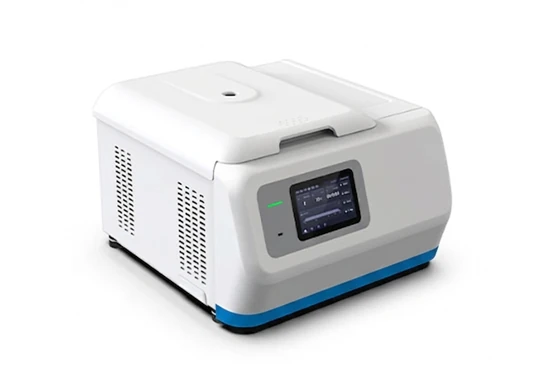
Centrifugation generates heat through friction and air resistance, and at high speeds that heat can degrade temperature-sensitive samples -- proteins, enzymes, live cells, and certain nucleic acid preps. If any of your regular workflows involve those sample types, refrigeration isn't a luxury, it's a requirement.
When a non-refrigerated centrifuge is the right call
For routine tasks like pelleting stable samples, clarifying buffers, or general lab prep where a few degrees of warming won't affect results, a non-refrigerated benchtop centrifuge is lighter, cheaper to run, and needs less maintenance since there's no refrigeration unit to service.
What refrigeration actually costs you
Beyond the higher purchase price, refrigerated centrifuges need periodic servicing of the cooling system, draw more power, and are physically larger and heavier. If your lab only occasionally handles temperature-sensitive samples, it may be more efficient to route those specific runs to a shared refrigerated unit rather than refrigerating every centrifuge on the bench.
A practical rule of thumb
If more than roughly a third of your centrifugation work involves live cells, enzymes, or other heat-sensitive material, budget for refrigeration from the start. Retrofitting later means running two workflows in parallel until the new unit arrives.